The Promotion That Almost Did Not Happen
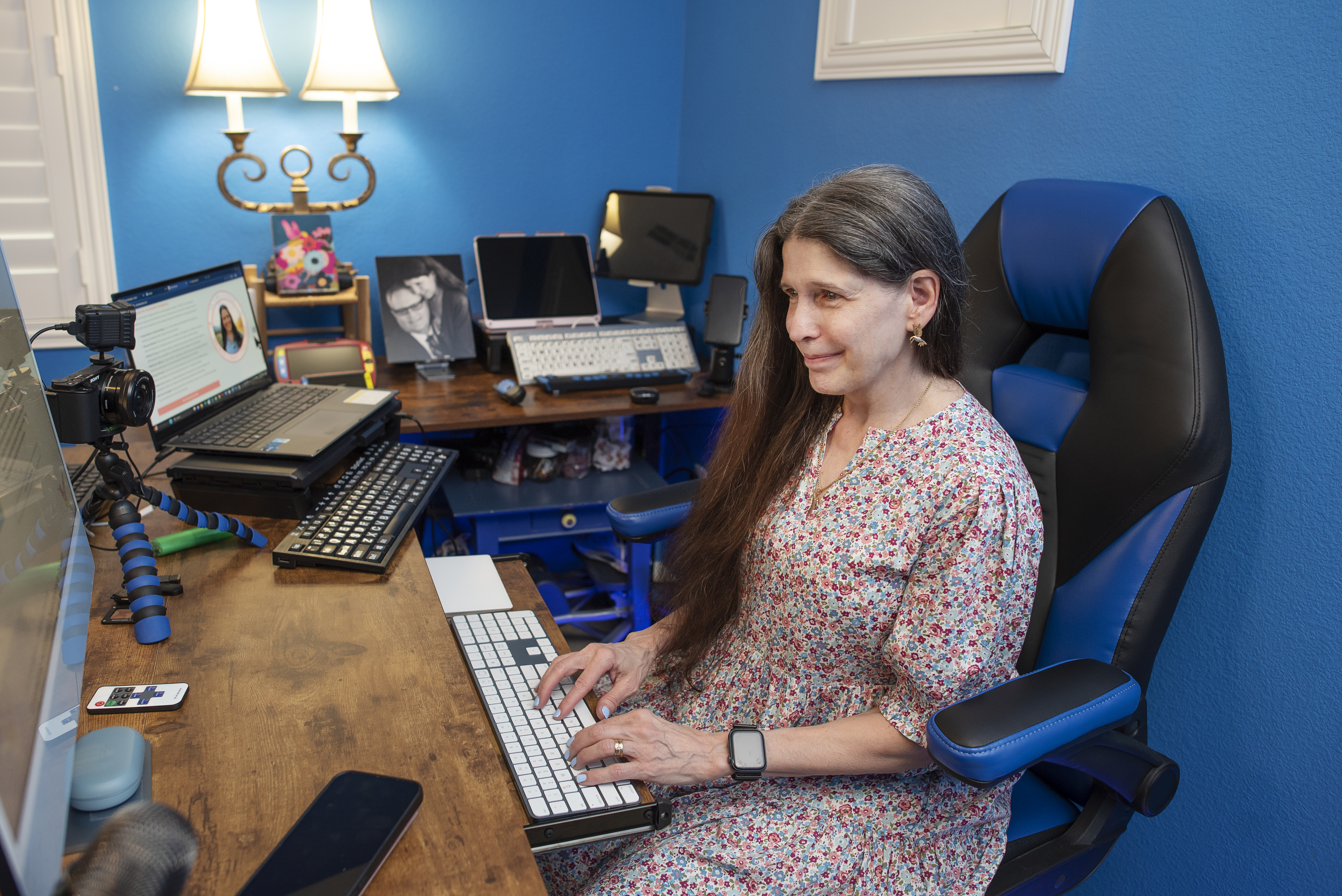
She had been with the organization for four years. Strong performance reviews. Respected by her team. The obvious choice for a senior role that had just opened.
Her manager called me the week before the promotion decision was finalized. She had just realized that the reporting software the new role required had never been assessed for screen reader accessibility. Nobody had thought to check. The promotion was three days away and nobody knew whether the job could actually be done with the tools she used.
We spent two hours on the phone. We identified the accessibility settings. We confirmed the workarounds. We documented a configuration plan that could be implemented before her first day in the new role.
She got the promotion. But it was closer than it should have been.
The Advancement Gap Nobody Talks About
Organizations spend significant energy on accessible hiring. Far less on accessible advancement. When an employee who is blind or has low vision is considered for a promotion, someone needs to ask the question before the decision is made: has the new role been assessed for the technology this person uses? Has the software been configured? Has the workflow been reviewed?
If those questions are not asked before the promotion, they become a crisis after it. And crises in a new, more visible role are far harder to recover from than a twenty-minute configuration check would have been.
What Proactive Advancement Support Looks Like
It looks like including an accessibility review as a standard step in the promotion process, not just the hiring process. It looks like a manager who knows to call someone like me before the decision is made, not after the new role has already begun. It looks like an organization that understands disability inclusion is not a one-time hire. It is a career-long commitment to making sure every role this person grows into is ready for them.
That is the standard I hold organizations to. And I would love to help yours get there.
Remember to be grateful, and just as important, remember to be kind, because kindness is contagious. Stay blessed and empowered.
Book your Free 20-Minute Accommodation Readiness Call with me here: https://www.victoriaessner.com/free20minsreadinesscall
