What I Have Learned From 31 Years of Sitting at Both Sides of the Accommodation Table
Most accommodation conversations have two sides. The employer who needs to understand what support is required. And the employee who needs to feel safe enough, trusted enough, to say what they actually need.
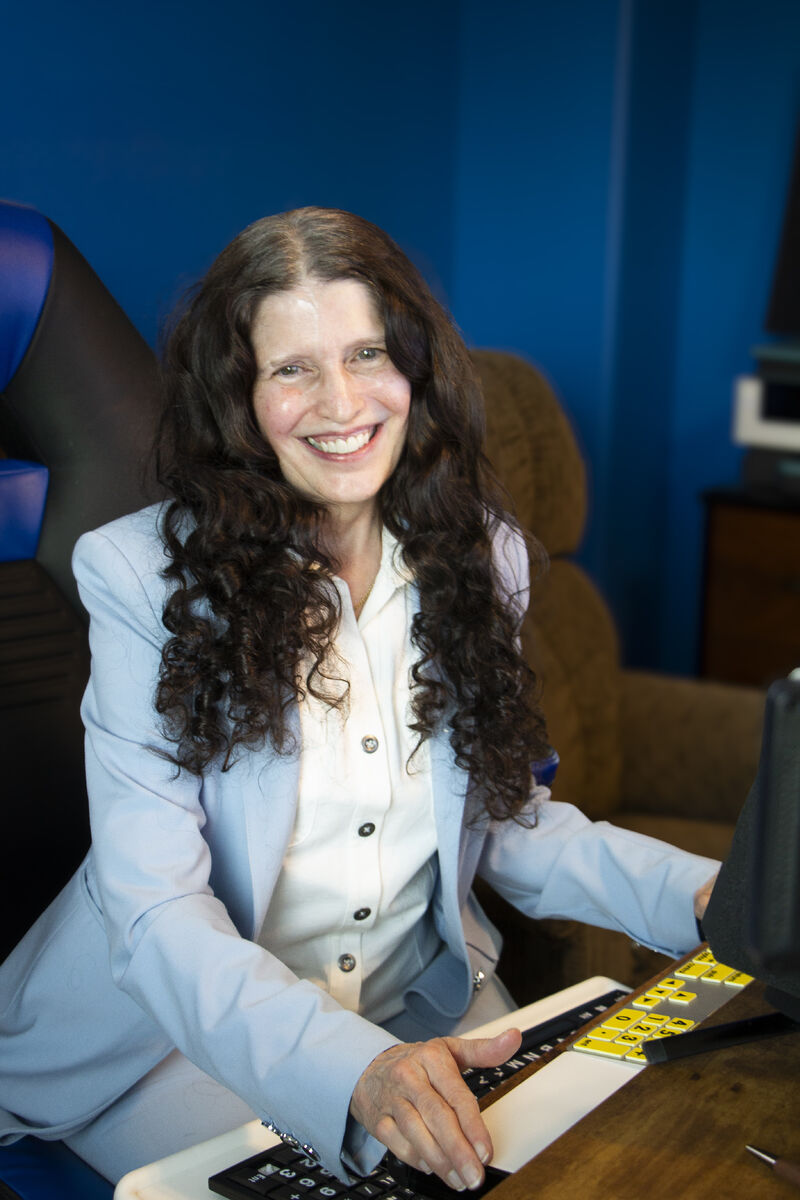
In 31 years of this work I have sat at both of those sides. Not just as a professional, but as a person. I have been legally blind my entire life. I know what it feels like to need an accommodation and to wonder in the moment before asking whether that request is going to cost me something I cannot afford to lose.
That dual vantage point has shown me things neither side alone could have taught me.
What I Know From the Employee Side
Asking for an accommodation is not a neutral act. For many employees who are blind or have low vision, that request arrives carrying years of history. Years of being underestimated. Of requests being minimized or denied. Of learning through experience that disclosing a need can shift how people see you in ways that do not always work in your favor.
Even in organizations with genuinely good intentions and strong policies, that history does not disappear. It walks into the room every single time an employee needs to ask for something.
Understanding that is not about sympathy. It is about strategy. If you want the accommodation conversation to lead somewhere good, you have to create the conditions that make it safe for the employee to tell you the whole truth, not just the part they think you are willing to hear.
What I Know From the Employer Side
Most employers who get this wrong are not unkind. They are uninformed. They do not know what questions to ask, what is possible, or what the path forward looks like. They are trying to do right by their employees while simultaneously managing a hundred other organizational priorities.
What they need is not a lecture. They need a guide. Someone who can show them exactly what to look for, exactly what questions open the right doors, and exactly what to do with the answers they receive.
That is the role I step into in every Workplace Accommodation Assessment I deliver. Not as an advocate for one side. As a bridge between two sides who both want the same outcome and simply need someone to help them find it together.
What 31 Years at Both Tables Has Given Me
The ability to translate. To take what an employee is experiencing in silence and help an employer finally understand it. To take what an employer is genuinely trying to build and help an employee finally trust it.
That translation is not just a professional skill I have developed over time. It is a calling. It is what I bring to every single conversation I have in this work, and it is what makes the difference between an accommodation that exists on paper and one that actually changes a life.
If your organization is ready for that kind of bridge-building, I would love to talk with you.
Remember to be grateful, and just as important, remember to be kind, because kindness is contagious. Stay blessed and empowered.
Book your Free 20-Minute Accommodation Readiness Call with me here: https://www.victoriaessner.com/free20minsreadinesscall
