Why Self-Care Is Not Selfish: A Guide for Caregivers Who Have Forgotten Themselves
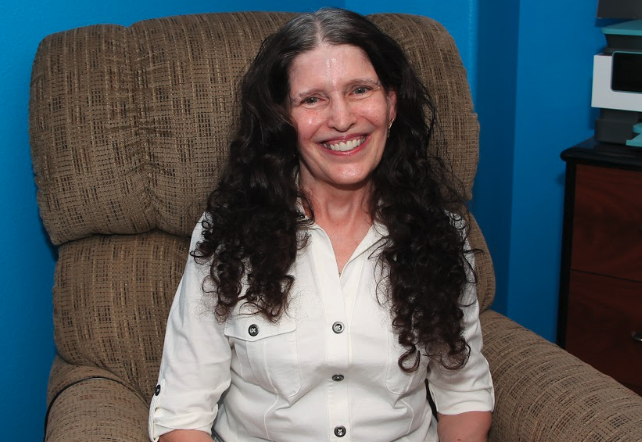
Let me say this plainly: taking care of yourself is not an act of selfishness. It is an act of love.
Love for yourself, yes. But also love for your loved one, because a caregiver who is depleted, overwhelmed, and running on nothing cannot give the kind of care that either of you deserves.
This is not a motivational phrase. It is a practical truth that most caregivers learn the hard way, usually after they have already crossed the line into burnout.
This article is an invitation to step back from that line before you reach it.
The Guilt Trap
Ask any caregiver what happens when they take time for themselves, and you will hear a version of the same answer. The moment they sit down, the moment they step outside, the moment they do something that is only for them, a voice speaks up. Who are you to rest right now? What if something happens while you are gone? What does it say about you that you needed a break?
That voice is not wisdom. It is exhaustion dressed up as virtue.
The caregivers who listen to that voice indefinitely do not become better caregivers. They become sick ones. Burned out, resentful, and grieving a version of themselves they can barely remember.
You were not built to run without fuel. Neither was anyone else.
The Four Dimensions of Caregiver Self-Care
Real self-care for a caregiver is not a spa day or a vacation, though those are welcome when they come. It is a daily practice built across four areas of your life.
Physical self-care means protecting your sleep, eating in a way that sustains you, and moving your body even when the day feels too full to allow it. A short walk counts. Going to bed thirty minutes earlier counts. You do not need a gym membership to protect your physical foundation.
Emotional self-care means creating an outlet for what you carry. That might be a journal you write in three times a week, a support group where people understand without explanation, or a trusted friend you call when the weight gets heavy. Feelings that have no outlet do not disappear. They accumulate, and they find other ways to surface.
Mental self-care means organizing the logistics of caregiving so that they feel manageable rather than chaotic. A simple tracking system, a weekly review of what is coming up, a checklist that keeps you from having to hold everything in your head. Mental clutter is exhausting. Structure reduces it.
Spiritual self-care means returning, regularly, to the reason you are doing this. Your why. Whether that is faith, love, duty, or a promise you made, connecting to your purpose does not make the hard days easier. It makes them meaningful. And meaning sustains people in ways that willpower alone cannot.
A Practice You Can Start This Week
Choose one thing from the list below and commit to it for seven days.
Go to bed thirty minutes earlier than usual. Write three sentences in a journal each morning before the day begins. Take a ten-minute walk outside, alone, with no phone. Call one person who understands your situation and talk without offering solutions. Sit for five minutes in silence before the household wakes up.
That is it. One thing. Seven days.
Not because one habit changes everything. Because one habit, practiced with intention, reminds you that you are still a person with needs. And that reminder matters more than you may realize right now.
When You Are the Foundation
Think of it this way. Your loved one's care rests on you. And foundations need to be maintained. A foundation that is ignored, stressed, and never reinforced does not hold forever. It cracks slowly, and then all at once.
You are allowed to maintain yourself. You are not just allowed. You are required.
A Note From Victoria
I know what it feels like to give everything you have and then wonder where you went. I lived it. And I wrote The Art of Caregiving Made Easier in part because I wished someone had handed me a resource like it when I was in the thick of it.
If you are a caregiver who has been putting yourself last, I want you to get my free guide at victoriaessner.com. It will not fix everything. But it will remind you that you matter in this story too.
Get your free guide:
https://www.victoriaessner.com/
Schedule a discovery call:
